 Ship Crew Agency
Maritime Editorial Team
In This Article
- Why Greek Shipping Companies Are Increasingly Choosing Bangladesh Crew Supply
- What Makes Bangladeshi Seafarers Valuable for Greek Shipowners
- Technical and operational preparation
- Adaptability to international fleets
- Retention and fleet familiarity
- Types of Officers and Ratings Available for Greek Fleets
- Senior deck officers
- Engineering officers
- Ratings
- Which Vessel Types Can Bangladesh Support
- Bulk carriers
- Tankers
- LNG and LPG carriers
- Offshore vessels
- How Bangladesh Crew Supply Supports Cost Optimization
- Where responsible optimization can occur
- Avoiding false economy
- Compliance Standards Required by Greek Shipping Companies
- 1. STCW certification and competency
- 2. Flag State recognition and endorsements
- 3. Maritime Labour Convention 2006
- 4. Medical fitness
- 5. Minimum safe manning and fatigue control
- 6. ISM and ISPS requirements
- 7. Port State Control readiness
- How Ship Crew Agency Screens and Deploys Seafarers
- Recommended recruitment and deployment workflow
- Technical interviews
- English and communication assessment
- Pre-joining documentation pack
- Crew Retention and Operational Stability Benefits
- Why returning crew matter
- Retention indicators for a Greek fleet
- Practical retention measures
- Emergency Crew Replacement Capabilities
- Factors affecting response time
- Long-Term Partnership Advantages for Fleet Operators
- Partnership governance model
- Recommended service-level indicators
- Fleet-specific candidate pools
- Cadet and succession planning
- Why Bangladesh Is Positioned for Future Fleet Growth
- Priority development areas
- Building confidence with Greek decision-makers
- Frequently Asked Questions
- 1. Can Bangladeshi seafarers work on Greek-owned vessels?
- 2. Are Bangladesh seafarer certificates recognized internationally?
- 3. How are Bangladeshi Certificates of Competency verified?
- 4. Which ranks can be supplied from Bangladesh?
- 5. Can Bangladesh provide tanker officers and ratings?
- 6. Can Bangladeshi seafarers work on LNG or LPG carriers?
- 7. Are Bangladeshi crews cheaper than other nationalities?
- 8. How long does crew deployment take?
- 9. What documents are required before joining?
- 10. How should English ability be assessed?
- 11. Does Ship Crew Agency provide crew changes and travel coordination?
- 12. Can a Greek company begin with a pilot deployment?
- 13. How can a shipowner improve retention among Bangladeshi crew?
- 14. Can Ship Crew Agency provide emergency replacements?
Bangladesh can support that requirement as a structured crew-supply market for selected bulk carriers, tankers, container vessels, general cargo ships, gas carriers and offshore operations. However, nationality alone does not establish suitability.
Every appointment must be based on:
Valid and independently verified certification
Relevant vessel-type and rank experience
Flag State acceptance and endorsement requirements
Medical fitness
English and operational communication ability
Company-specific familiarization
Safety, security and environmental competence
Documented employment history
Reference and disciplinary checks
Availability that matches the vessel’s rotation plan
Ship Crew Agency connects qualified Bangladeshi seafarers with Greek shipowners, ship management companies and marine HR departments seeking a controlled, compliance-focused manning process. The objective is not simply to fill vacancies. It is to protect safe manning, operational continuity, vessel performance and long-term crew stability.
Why Greek Shipping Companies Are Increasingly Choosing Bangladesh Crew Supply
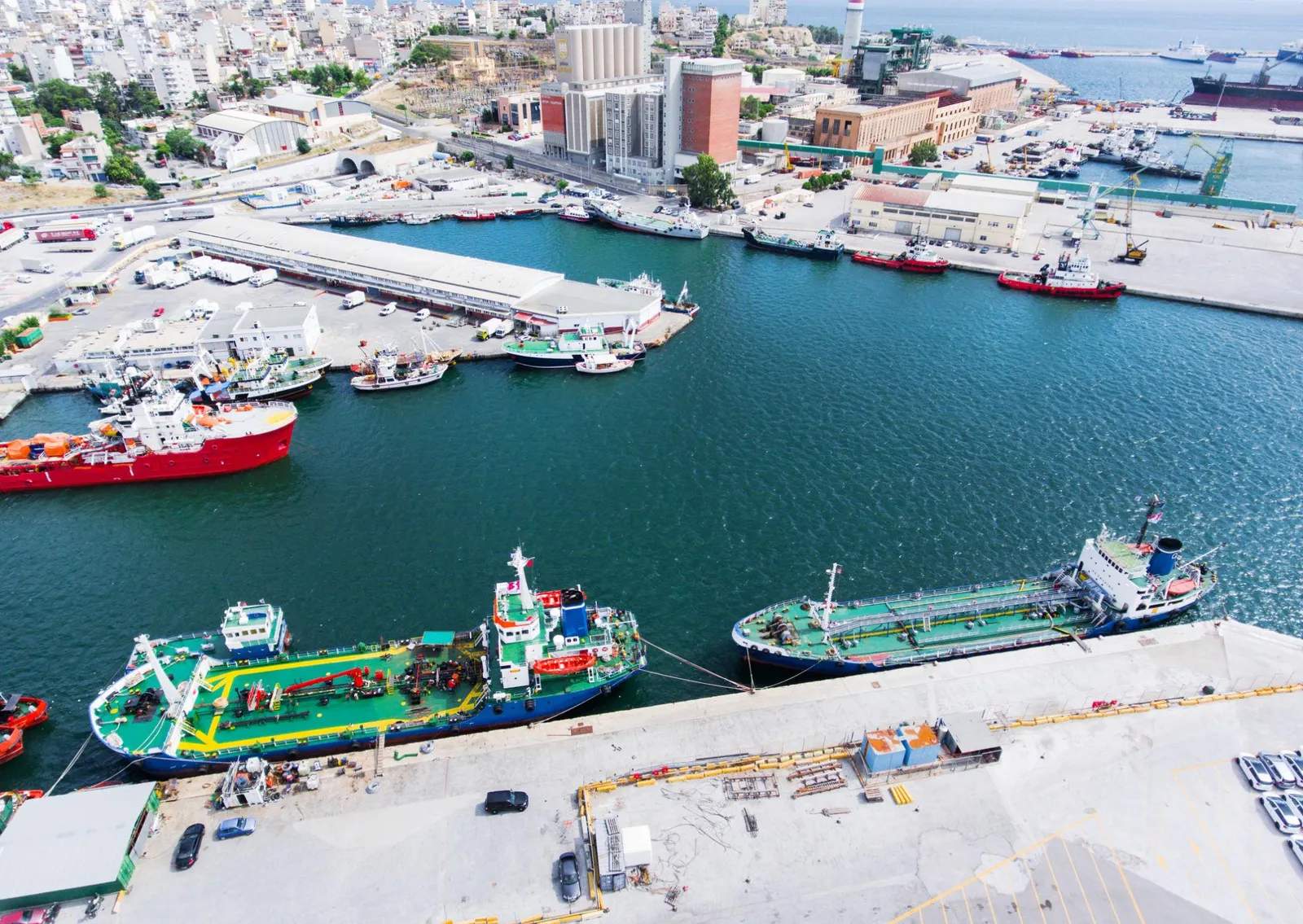
Greek shipping companies consider Bangladesh crew supply when they need to diversify recruitment markets, strengthen relief planning and identify qualified officers and ratings for internationally trading fleets. Public data do not measure a fleet-wide shift toward Bangladeshi crews, so the commercial case should be assessed through competence, compliance, retention, availability and total deployment cost.
The Greek-controlled fleet is highly international. Greek-owned vessels made more than 175,000 port calls across 171 countries during 2025, while over 98% of fleet capacity served trade between third countries. Its composition includes 2,766 bulk carriers, 1,064 oil tankers, 574 chemical tankers, 527 containerships, 172 LNG carriers and 157 LPG carriers.
A fleet with this operational reach cannot depend on an uncontrolled recruitment approach or a single national labour market. Crew planning must accommodate:
Different Flag State requirements
Vessel-specific safe-manning documents
Rank and competency matrices
Trading-area visa restrictions
Joining-port accessibility
Relief schedules
Dry-docking periods
Newbuilding deliveries
Promotions and succession planning
Emergency medical or compassionate replacements
Bangladesh provides an additional sourcing option for companies seeking properly screened deck officers, engineering officers and ratings. The market should not be positioned as a replacement for the Philippines, India, Indonesia, Myanmar or European seafarer markets. It should be evaluated as part of a diversified international crewing strategy.
| Greek fleet requirement | Potential Bangladesh crew-supply response |
|---|---|
| Additional recruitment capacity | Structured sourcing through Dhaka, Chattogram and national maritime networks |
| Planned crew rotations | Candidate pools organized by rank, vessel type and availability |
| Vacancy risk reduction | Pre-screened backup candidates for critical ranks |
| Mixed-nationality operations | English and multicultural suitability assessments |
| Cost control | Total deployment-cost comparison rather than wage-only selection |
| Compliance assurance | Certificate, sea-service, medical and Flag State verification |
| Retention improvement | Re-employment planning and vessel-family assignments |
The strongest commercial argument is therefore not “lower-cost labour.” It is access to another qualified supply channel that can improve resilience when managed with proper controls.
Crew planning inquiry: Greek shipowners and crewing managers may request a rank-by-rank availability review based on vessel type, flag, joining port, required experience and proposed rotation. Request Crew on WhatsApp
What Makes Bangladeshi Seafarers Valuable for Greek Shipowners
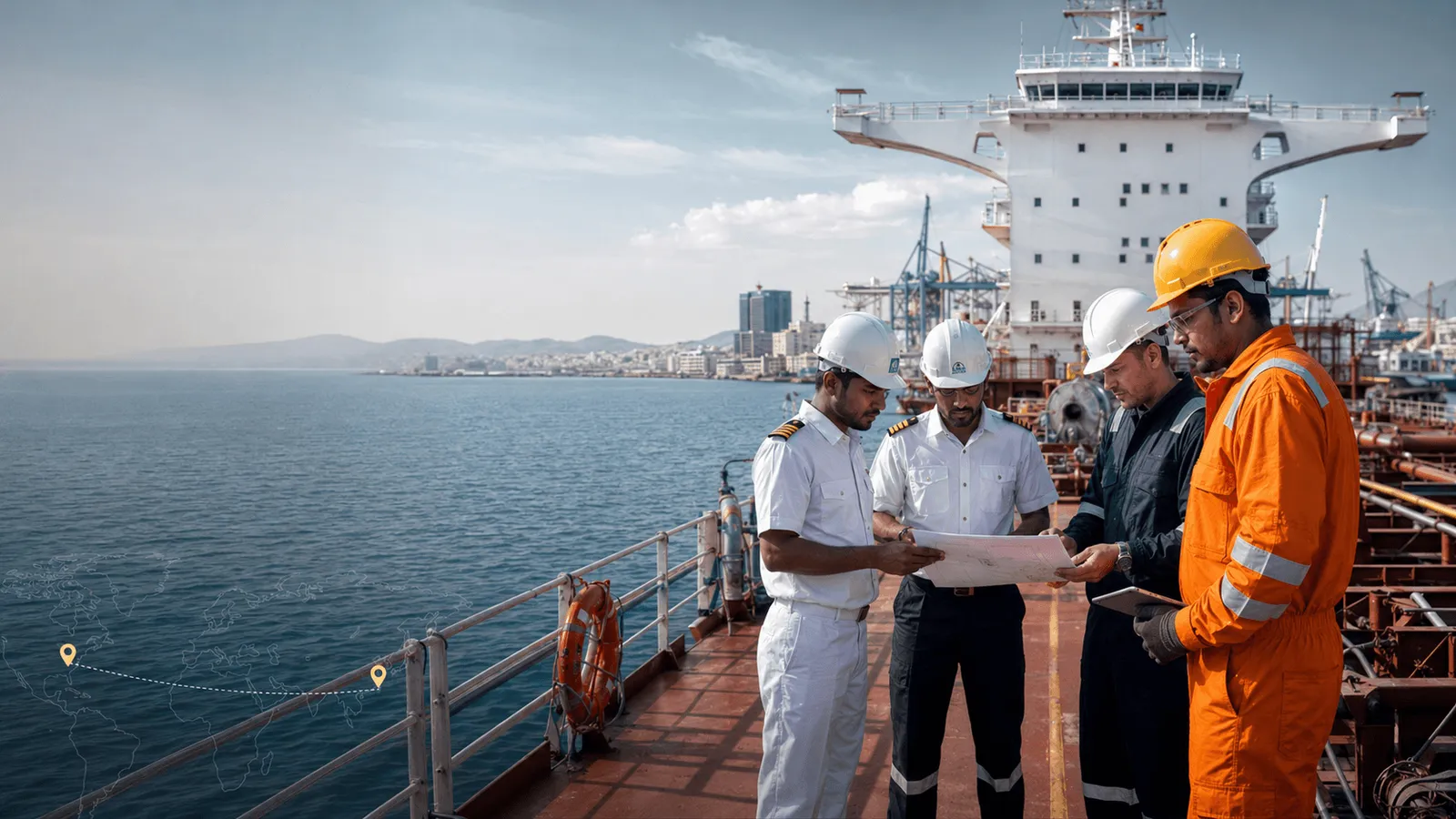
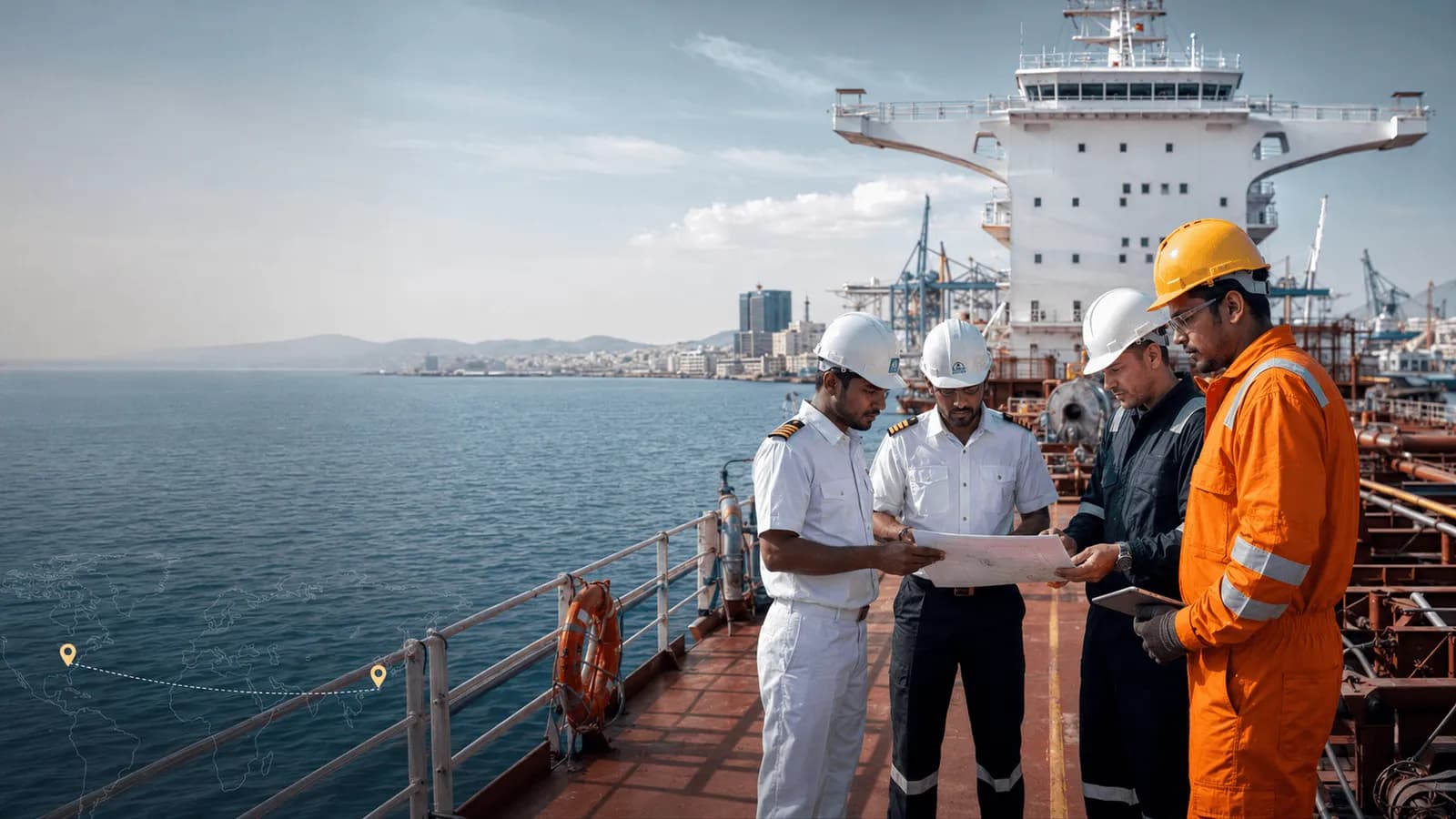
Qualified Bangladeshi seafarers can provide value through technical education, international sea service, availability across deck and engine departments and potential for long-term fleet retention. Their suitability must nevertheless be established individually through certificate verification, competency interviews, English assessment, medical fitness, reference checks and vessel-specific experience rather than assumptions based on nationality.
Bangladesh is recognized within the IMO framework as a country that has communicated information demonstrating implementation of the relevant STCW provisions. The IMO has also acknowledged the role of Bangladesh’s maritime training system in achieving this status. This recognition does not remove the shipowner’s obligation to verify each certificate, endorsement and candidate.
The IMO makes the distinction clear: inclusion within the relevant STCW list does not mean every certificate holder, training institute or candidate is automatically acceptable for every vessel. Shipowners, managers and administrations retain their individual verification responsibilities.
For a Greek ship management company, a suitable Bangladeshi candidate may offer value in several areas:
Technical and operational preparation
Candidates may be sourced from maritime academies, marine engineering backgrounds, rating-training pathways and serving seafarer networks. The recruitment process must connect formal qualifications with actual onboard performance.
A certificate shows that a minimum qualification has been issued. It does not prove that the candidate can manage a difficult cargo operation, troubleshoot an engine-room failure, lead a multicultural team or execute a company’s safety management procedures.
Adaptability to international fleets
Many Greek-managed vessels employ multinational crews. A candidate should therefore be assessed for:
Ability to understand orders under operational pressure
Closed-loop communication
Familiarity with multicultural working environments
Respect for rank, responsibility and reporting lines
Willingness to report unsafe conditions
Ability to participate in drills and toolbox meetings
Understanding of the master’s overriding authority
Professional conduct during long contracts
Retention and fleet familiarity
Bangladeshi crew supply becomes more commercially valuable when the relationship moves beyond individual placements. Re-employing competent officers and ratings allows them to become familiar with the shipowner’s fleet, planned maintenance systems, cargo procedures, reporting formats and safety culture.
A returning seafarer normally requires less organizational familiarization than a first-time joiner. This does not eliminate mandatory familiarization, but it can reduce operational uncertainty.
Shipowners seeking a broader introduction to the recruitment model may also review Crew Manning Agency Bangladesh and Seafarer Recruitment Services.
Types of Officers and Ratings Available for Greek Fleets

Bangladesh crew supply can cover senior officers, junior officers, engineering personnel, deck ratings, engine ratings and catering staff, subject to verified availability and vessel-specific qualification. Greek crewing departments should issue a detailed job specification for every rank, including certificate level, tanker or gas endorsements, engine type, vessel size, trade and recent sea service.
| Department | Typical positions | Core checks before nomination |
|---|---|---|
| Deck officers | Master, Chief Officer, Second Officer, Third Officer | CoC, command or rank experience, GMDSS where required, ECDIS, BRM, cargo and vessel-type history |
| Engineering officers | Chief Engineer, Second Engineer, Third Engineer, Fourth Engineer | CoC, propulsion type, engine maker, power range, ERM, maintenance and dry-dock experience |
| Electrical department | Electro-Technical Officer or Electrical Officer | Applicable certification, automation systems, high-voltage competence where required |
| Deck ratings | Bosun, Able Seaman, Ordinary Seaman | COP, watchkeeping qualification, mooring, maintenance, crane or hatch-cover experience |
| Engine ratings | Oiler, Motorman, Wiper, Fitter | Engine-room watchkeeping, machinery experience, welding or fabrication competence |
| Catering department | Chief Cook, Cook, Steward or Messman | Ship’s cook qualification where applicable, food safety, hygiene and multinational menu experience |
Senior deck officers
Masters and Chief Officers require much more than valid certification. Greek shipowners should review:
Similar vessel-type experience
Comparable deadweight or gross tonnage
Cargo-operation responsibility
Navigation audit results
Vetting exposure where applicable
Port State Control history
Incident and near-miss records
Leadership and appraisal reports
Dry-docking or newbuilding experience
Familiarity with the company’s principal trading areas
Engineering officers
Chief Engineers and Second Engineers should be matched against the actual machinery installation. Relevant criteria may include:
Main engine manufacturer and model
Two-stroke or four-stroke experience
Conventional or electronically controlled engines
Fuel-treatment systems
Scrubber or ballast-water systems
Refrigeration and cargo systems
Dual-fuel or LNG-capable machinery
Automation platform
Planned maintenance software
Previous breakdown and repair responsibilities
Ratings
Ratings should not be treated as interchangeable labour. An Able Seaman experienced on a small general cargo vessel may not immediately meet the operational expectations of a large tanker, gearless bulk carrier or high-frequency container vessel.
The same principle applies to fitters, oilers, motormen, bosuns and cooks. The recruitment decision must reflect the actual onboard job rather than the rank title alone.
Which Vessel Types Can Bangladesh Support
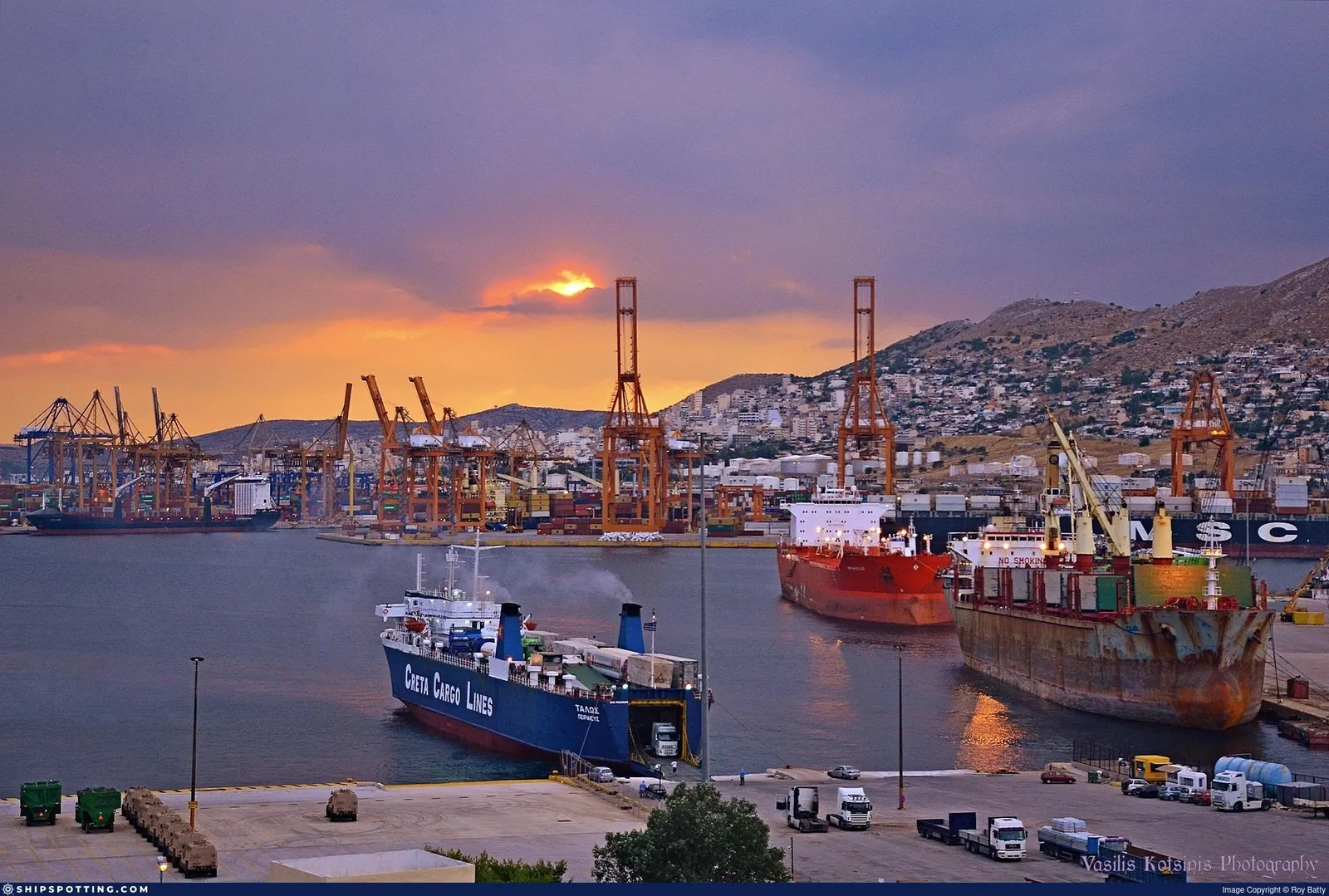
Bangladeshi seafarers may be recruited for bulk carriers, tankers, container vessels, general cargo ships, gas carriers and offshore support vessels when candidates possess the required certification, recent experience and company approvals. Specialized vessels require additional evidence, including cargo endorsements, familiarization, propulsion knowledge, safety training and operational exposure relevant to the assigned ship.
| Vessel type | Priority recruitment criteria |
|---|---|
| Bulk carrier | Bulk cargo operations, hold preparation, hatch covers, cranes, ballast management and cargo-related structural awareness |
| Oil or product tanker | Applicable tanker training, cargo-system experience, enclosed-space discipline, pollution prevention and vetting readiness |
| Chemical tanker | Chemical endorsement, cargo compatibility, tank cleaning, PPE, safety data and contamination prevention |
| Container vessel | Lashing safety, stability awareness, reefer operations, fast port turnaround and schedule-driven maintenance |
| General cargo vessel | Cargo securing, lifting appliances, multipurpose operations and port flexibility |
| LNG carrier | Gas endorsement, cargo-containment familiarity, ESD systems, cryogenic safety and dual-fuel competence |
| LPG carrier | Liquefied-gas cargo systems, compressors, reliquefaction systems and gas-safety procedures |
| Offshore support vessel | Offshore experience, DP competence where required, lifting, towing, anchor handling or supply operations |
Bulk carriers
Bangladesh can be considered for both officer and rating recruitment on geared and gearless bulk carriers. Candidate screening should distinguish between experience on:
Handysize vessels
Supramax and Ultramax vessels
Panamax and Kamsarmax vessels
Capesize vessels
Self-unloading or specialized bulk ships
Recent experience with cargo holds, bilge arrangements, hatch-cover maintenance, ballast operations, draft surveys and high-density cargoes may be relevant.
Further vessel-specific information can be connected through Bulk Carrier Crew Supply.
Tankers
Tanker recruitment requires stricter control because a generic STCW certificate is not sufficient for every cargo responsibility. The crew manager should verify the appropriate basic or advanced tanker training, recent tanker service and role-specific cargo experience.
For detailed tanker sourcing requirements, link to Tanker Crew Recruitment.
LNG and LPG carriers
Gas-carrier nominations require a smaller and more specialized candidate pool. Availability should never be presented as guaranteed without confirming:
Valid gas-tanker qualifications
Recent LNG or LPG service
Cargo-containment system experience
Propulsion experience
Dual-fuel competence
Company-specific acceptance requirements
Offshore vessels
Offshore recruitment must be separated from conventional merchant-vessel recruitment. Dynamic positioning, anchor handling, towing, offshore lifting, supply operations and client-specific training may apply.
Relevant service information should be linked through Offshore Crew Manning.
Fleet-specific inquiry: Provide the vessel particulars, flag, rank list, joining window and minimum experience matrix to receive a realistic assessment of Bangladesh crew availability.
How Bangladesh Crew Supply Supports Cost Optimization
Bangladesh crew supply supports cost optimization when shipowners evaluate total crewing expenditure rather than comparing basic wages alone. Sustainable savings may come from stronger retention, planned relief, fewer failed deployments, reduced vacancy exposure, controlled travel arrangements and appropriate rank matching. Selecting an unsuitable low-cost candidate can produce substantially higher operational and compliance costs.A professional cost assessment should include:
Total crewing cost = employment cost + recruitment cost + documentation + medicals + training + visas + travel + agency administration + relief disruption + replacement risk
The lowest wage quotation may not represent the lowest cost to the fleet.
Where responsible optimization can occur
| Cost area | Optimization approach | Risk if poorly managed |
|---|---|---|
| Recruitment | Maintain verified rank-specific pools | Repeated advertising and urgent sourcing |
| Rotation | Plan relief several months ahead | Overtime, fatigue and delayed repatriation |
| Retention | Re-employ competent crew | Constant familiarization and performance uncertainty |
| Travel | Coordinate practical joining routes | Missed flights and delayed vessel departure |
| Documentation | Use expiry alerts and verification controls | Rejected joining, detention exposure or repatriation |
| Training | Match training to vessel and rank | Unnecessary courses or missing mandatory competence |
| Promotions | Develop internal succession candidates | Senior-rank shortages and external hiring premiums |
| Emergency coverage | Maintain approved backup candidates | Expensive last-minute mobilization |
Avoiding false economy
A crew member who is inexpensive but poorly matched can contribute to:
Unsafe operations
Maintenance failure
Cargo claims
Communication breakdown
Failed audits
Port State Control findings
Early repatriation
Contract disputes
Additional travel costs
Loss of management time
Cost optimization should therefore be connected to competence, predictability and retention.
An effective Bangladesh manning program begins with a controlled pilot. A Greek shipowner may initially appoint a limited number of carefully selected officers or ratings, measure their performance and gradually expand the pool after satisfactory appraisals.
Compliance Standards Required by Greek Shipping Companies
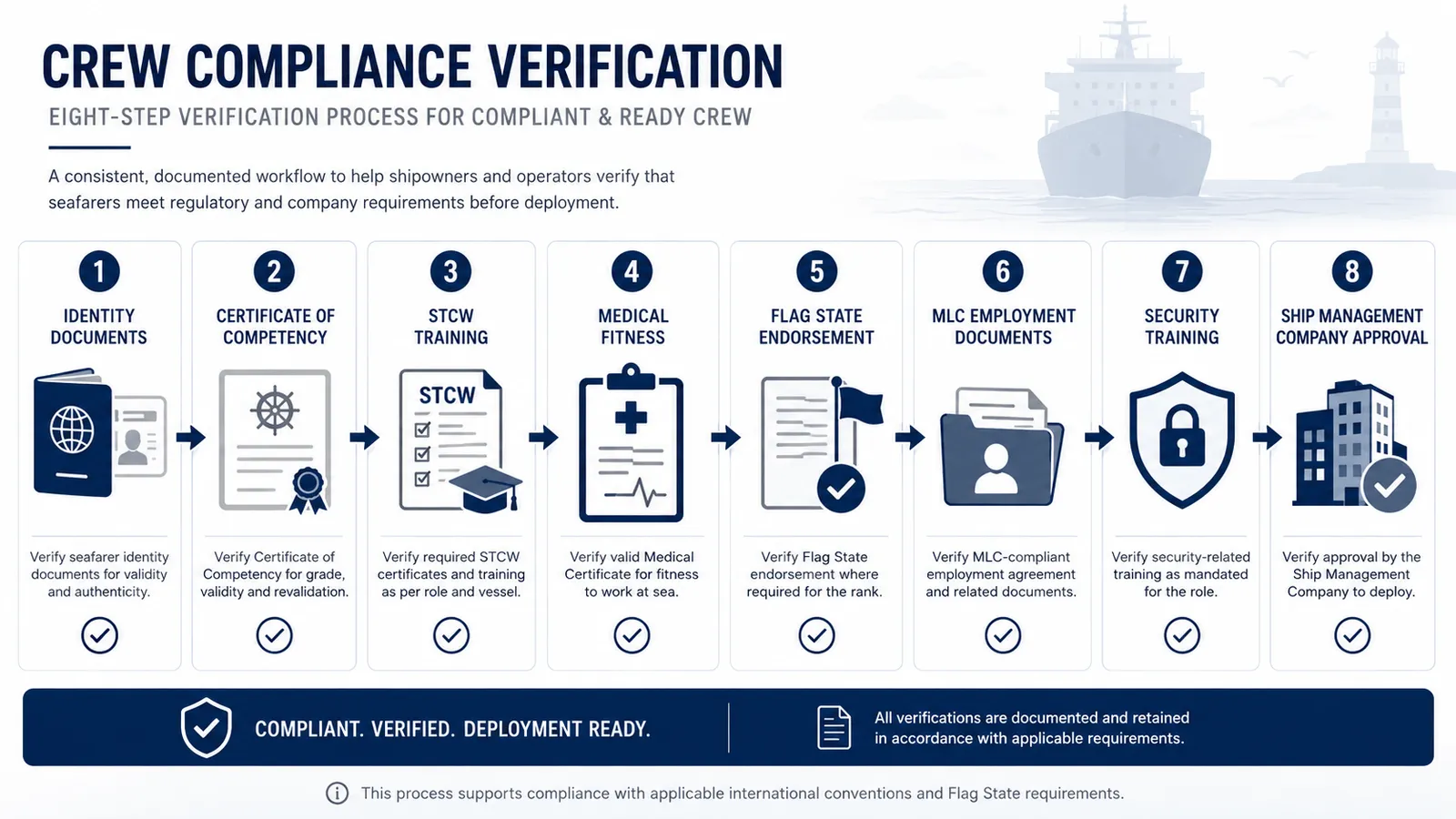
Greek shipping companies should accept Bangladeshi seafarers only after confirming STCW certification, Flag State recognition, safe-manning requirements, MLC employment protections, medical fitness, security competence and company-specific suitability. Compliance is determined by the vessel’s flag, ship type, trading area and management system, not solely by the seafarer’s nationality or issuing administration.
The STCW Convention establishes international minimum standards for seafarer training, certification and watchkeeping. Countries must meet or exceed these standards, while companies remain responsible for confirming that appointed personnel hold the appropriate and valid credentials.
1. STCW certification and competency
The recruitment file should contain, where applicable:
Certificate of Competency
Certificate of Proficiency
GMDSS certification
Basic and advanced safety training
Security awareness or designated security-duty training
Tanker or gas endorsements
ECDIS certification
Medical first aid or medical care certification
Survival craft and rescue boat certification
High-voltage or specialized technical training
Documentary evidence of required refresher training
The Bangladesh Department of Shipping operates an online Certificate of Competency verification facility. The verification result should be retained in the recruitment record rather than relying only on a scanned certificate supplied by the candidate.
The IMO also requires STCW Parties to maintain certificate and endorsement registers and make validity information available to other administrations and companies requesting authentication.
2. Flag State recognition and endorsements
A Bangladesh-issued certificate is not automatically sufficient for service under every flag. Before deployment, the crew manager must establish:
Whether the vessel’s Flag State recognizes the issuing administration
Whether a Flag State endorsement is required
Whether an application receipt or temporary documentary proof is acceptable
Which original documents must be onboard
Whether company approval is required before joining
These checks should be completed before ticketing.
3. Maritime Labour Convention 2006
Bangladesh ratified the Maritime Labour Convention in 2014, and it entered into force for Bangladesh on 18 January 2017.
The MLC covers working and living conditions such as seafarers’ employment agreements, wages, hours of work and rest, repatriation, medical care, accommodation, food, health and safety, complaints and recruitment and placement services.
For recruitment and placement, the manning process should confirm:
Clear employment terms
No prohibited recruitment fees charged to seafarers
Documented complaints procedures
Protection against abandonment and financial loss where applicable
Accurate information concerning employment conditions
Proper record keeping
Repatriation arrangements
Licensed or otherwise lawfully operated recruitment activity
4. Medical fitness
Medical fitness should be established through an approved examination and a valid certificate accepted by the relevant Flag State. Joint ILO and IMO guidance is intended to help determine whether a seafarer can safely perform routine and emergency duties at sea.
The check should cover both document validity and job suitability. A candidate may hold a medical certificate but still require further assessment when a particular vessel or duty introduces additional physical demands.
5. Minimum safe manning and fatigue control
The crew matrix must comply with the vessel’s Minimum Safe Manning Document and operational requirements. IMO principles aim to ensure that a ship is sufficiently and effectively manned for navigation, engineering, cargo operations, security, environmental protection and fatigue prevention.
The minimum document should not be treated as an automatic target for every operation. Actual staffing should reflect:
Voyage length
Port frequency
Cargo workload
Maintenance demand
Security duties
Training responsibilities
Rest-hour compliance
Special operations
6. ISM and ISPS requirements
The ISM Code provides the international standard for safe ship management, operation and pollution prevention. Crew selection, familiarization, reporting, emergency preparedness and competence should therefore connect directly to the company’s Safety Management System.
The ISPS Code establishes mandatory maritime-security requirements under SOLAS chapter XI-2. Seafarers must understand their security roles, access-control responsibilities and reporting obligations.
7. Port State Control readiness
Port State Control officers may examine certification, manning, medical validity, watch schedules and records of hours of rest. Paris MoU inspection guidance specifically identifies valid certificates, medical documents and compliant watchkeeping arrangements as areas for examination.
Compliance inquiry: Ship Crew Agency can prepare nominations against the shipowner’s document matrix, but final acceptance should remain subject to Flag State, company and vessel-specific approval.
How Ship Crew Agency Screens and Deploys Seafarers

Ship Crew Agency should screen and deploy Bangladeshi seafarers through a documented process covering identity, certification, sea service, technical ability, English communication, medical fitness, references, Flag State requirements, employment terms and travel readiness. No candidate should be mobilized solely because a vacancy is urgent or because copies of basic certificates appear complete.
Recommended recruitment and deployment workflow
| Stage | Required action | Primary risk controlled |
|---|---|---|
| 1. Requisition review | Confirm vessel, flag, rank, joining date, contract and experience criteria | Incorrect candidate profile |
| 2. Identity validation | Check passport, CDC, SID where applicable and personal data consistency | Identity fraud |
| 3. Certificate verification | Verify CoC, COP and endorsements through issuing authorities | Invalid or altered certification |
| 4. Sea-service review | Compare discharge records, testimonials and vessel databases | False or irrelevant experience |
| 5. Technical interview | Conduct rank and vessel-specific assessment | Competency mismatch |
| 6. English assessment | Test listening, speaking, reporting and emergency communication | Communication failure |
| 7. Reference checks | Contact previous employers or managers | Hidden performance concerns |
| 8. Medical and training review | Confirm fitness and course validity | Unfit or non-compliant joining |
| 9. Flag and company approval | Obtain required acceptance or endorsement | Rejection at joining stage |
| 10. Contract and travel | Complete agreement, visa, tickets and joining instructions | Deployment failure |
| 11. Pre-joining briefing | Explain SMS, conduct, security, travel and reporting expectations | Poor familiarization |
| 12. Post-joining follow-up | Confirm safe arrival and obtain initial feedback | Unresolved onboarding problems |
Technical interviews
A useful technical interview is based on scenarios rather than memorized definitions.
For example:
A Chief Officer may be asked to explain the response to water ingress in a bulk cargo hold.
A Second Engineer may be asked to diagnose abnormal exhaust temperatures.
An Able Seaman may be asked to describe enclosed-space entry controls.
A tanker officer may be asked to explain cargo-system isolation and emergency shutdown actions.
An ETO may be asked to discuss fault-finding on a vessel automation network.
Answers should be assessed against the rank, vessel and company procedures.
English and communication assessment
The interviewer should test whether the candidate can:
Understand a clear operational instruction
Repeat critical information accurately
Report a defect or unsafe condition
Explain an emergency response
Participate in a toolbox meeting
Complete a handover
Read basic technical and safety documentation
Communicate without hiding uncertainty
Accent should not be confused with competence. The practical issue is whether communication remains accurate during normal, abnormal and emergency operations.
Pre-joining documentation pack
Before deployment, the shipowner or manager should receive a controlled nomination file containing:
Candidate application and résumé
Passport and seafarer identity documents
CDC or discharge book
CoC and COP copies
Verification records
Medical certificate
Sea-service evidence
Appraisals and references
Interview results
Training matrix
Flag endorsement status
Employment agreement
Travel and visa status
Emergency contact details
The related logistics service can be linked through Crew Change Services.
Crew Retention and Operational Stability Benefits
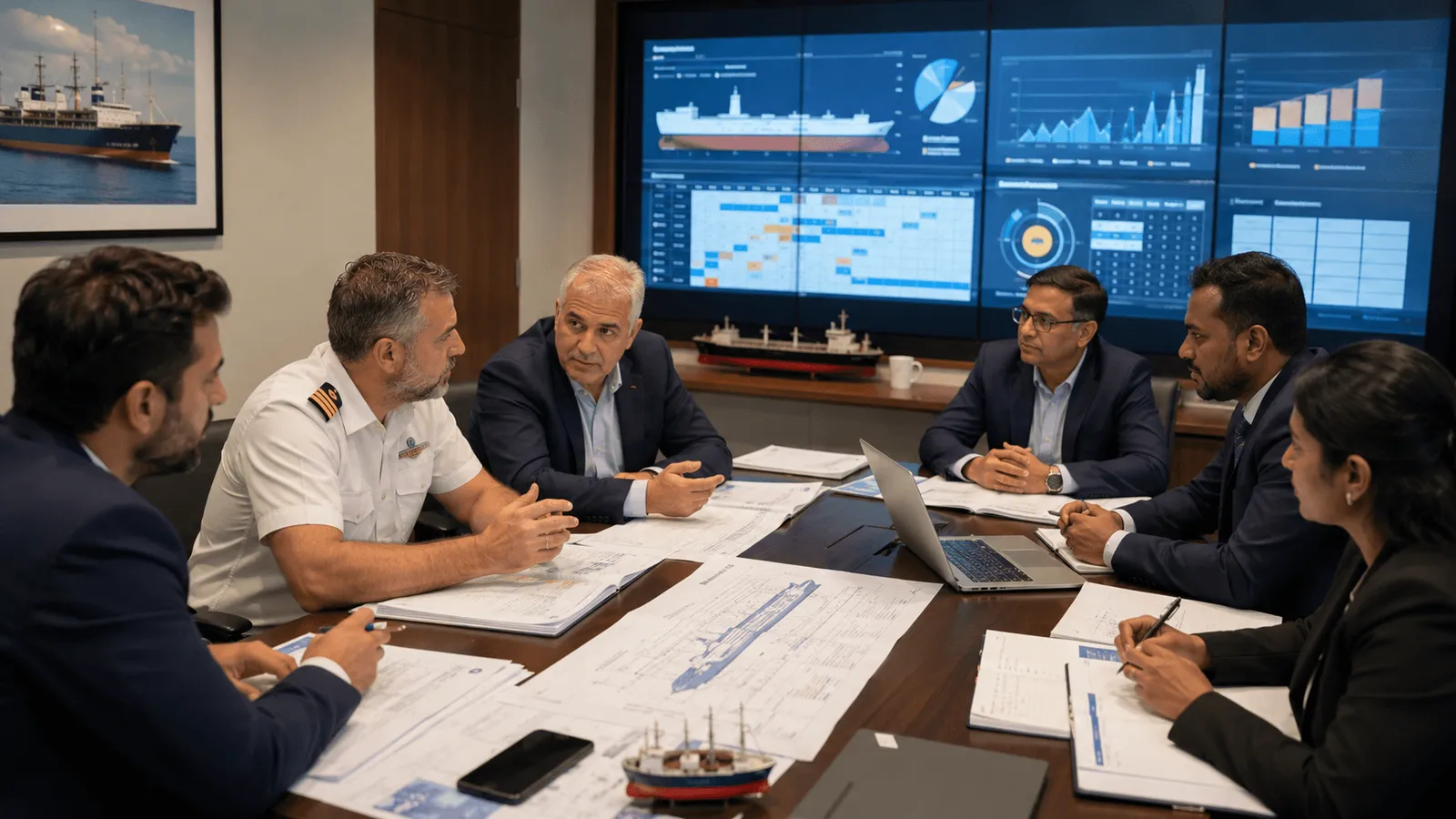
Crew retention improves operational stability by reducing repeated recruitment, preserving vessel knowledge and supporting consistent safety and maintenance practices. A Bangladesh crew program becomes strategically valuable when high-performing officers and ratings return to the same company or vessel group under planned rotations, fair employment conditions, reliable payment and transparent promotion pathways.
Retention should be managed as an operational KPI rather than an informal expectation.
Why returning crew matter
Returning seafarers develop familiarity with:
Vessel layouts and equipment
Planned maintenance routines
Defect-reporting procedures
Master’s and superintendent’s expectations
Cargo-operation standards
Company forms and software
Permit-to-work controls
Emergency organization
Near-miss reporting
Environmental procedures
This familiarity can improve continuity, but it must not lead to complacency. Returning personnel still require valid certification, updated training and appropriate familiarization.
Retention indicators for a Greek fleet
| Indicator | What it reveals |
|---|---|
| Re-employment rate | Proportion of satisfactory crew returning for another contract |
| Contract-completion rate | Whether seafarers complete agreed service periods |
| Early-repatriation rate | Medical, disciplinary, performance or welfare disruption |
| Promotion success rate | Effectiveness of succession planning |
| Appraisal trend | Improvement or decline across repeated assignments |
| Relief punctuality | Reliability of crew-change planning |
| Crew complaint rate | Employment, welfare or communication concerns |
| First-contract failure rate | Quality of initial recruitment and screening |
Practical retention measures
Pay wages accurately and on time
Issue clear employment agreements
Maintain predictable leave periods
Provide realistic joining dates
Avoid unnecessary contract extensions
Recognize strong performance
Communicate promotion criteria
Maintain respectful onboard leadership
Investigate complaints fairly
Reassign successful crew within compatible vessel groups
A stable crew pool is built through reciprocal reliability. Shipowners expect discipline, competence and availability. Seafarers expect lawful treatment, accurate employment information and dependable relief.
Emergency Crew Replacement Capabilities
Emergency crew replacement means maintaining verified alternatives who can be mobilized when a seafarer becomes medically unfit, misses travel, resigns, faces a visa problem or must leave for compassionate reasons. Real capability depends on document readiness, flight access, Flag State approval and joining-port rules, not an unsupported promise of immediate worldwide replacement.
A realistic emergency workflow should include:
Confirm the reason for replacement and required sign-off arrangements.
Revalidate the rank specification and vessel particulars.
Search approved backup candidates.
Confirm certificate, medical and passport validity.
Check Flag State endorsement requirements.
Review visa and transit rules.
Conduct or reconfirm technical approval.
Issue contract and joining instructions.
Coordinate flights, agents and port access.
Monitor the journey until the seafarer is onboard.
Factors affecting response time
Emergency replacement time varies according to:
Rank seniority
Vessel specialization
Gas or tanker endorsement requirements
Candidate location
Joining country
Visa processing
Transit requirements
Flight schedules
Port-agent arrangements
Flag approval
Required overlap or handover
A standard rating for a commonly traded bulk carrier may be easier to source than a Chief Engineer with recent experience on a particular dual-fuel engine. Response promises must reflect this difference.
Emergency requirement: Send the vessel name, IMO number, flag, rank, joining port, latest acceptable joining date and mandatory experience criteria for an immediate feasibility review. Request Crew on WhatsApp
Long-Term Partnership Advantages for Fleet Operators
A long-term Bangladesh manning partnership allows fleet operators to move from reactive vacancy filling toward planned recruitment, succession development and measurable crew performance. The strongest model combines agreed selection standards, transparent costs, documented compliance, regular appraisals, retention planning, backup candidates and direct communication between the agency and the Greek crewing department.
Partnership governance model
A professional relationship should define:
Approved vessel types and ranks
Minimum experience criteria
Interview and approval authority
Documentation responsibilities
Cost structure
Payroll responsibility
Travel responsibility
Replacement terms
Complaint escalation
Data protection
Performance reporting
Audit rights
Termination and handover procedures
Recommended service-level indicators
| KPI | Management purpose |
|---|---|
| Time to submit qualified candidates | Measures sourcing responsiveness |
| Nomination acceptance rate | Shows alignment with fleet requirements |
| Document rejection rate | Measures administrative control |
| Joining success rate | Tracks completed deployments |
| First-contract completion | Measures initial matching quality |
| Re-employment rate | Tracks retention |
| Emergency replacement performance | Measures contingency capability |
| Appraisal score by rank | Identifies training and promotion needs |
| Crew-related PSC findings | Monitors compliance risk |
| Early-repatriation causes | Identifies recruitment or welfare failures |
Fleet-specific candidate pools
Instead of maintaining one uncontrolled database, the agency should organize candidates by:
Vessel type
Rank
Certificate level
Engine type
Cargo experience
Trading experience
Previous Greek-managed fleet experience
Availability month
Flag endorsements
Promotion readiness
This allows the Greek crewing department to receive relevant nominations instead of high volumes of unsuitable résumés.
Cadet and succession planning
Long-term cooperation can also create a controlled pathway from junior ranks to senior positions. Promotions should depend on sea time, certification, appraisal quality, technical interviews and actual vacancies.
A structured path might include:
Deck cadet to Third Officer
Third Officer to Second Officer
Second Officer to Chief Officer
Chief Officer to Master
Engine cadet to Fourth Engineer
Fourth Engineer to Third Engineer
Third Engineer to Second Engineer
Second Engineer to Chief Engineer
Promotion should never be automatic. It should be supported by documented competence and company approval.
Partnership inquiry: Greek shipowners may request a proposed manning framework covering selected ranks, pilot-vessel deployment, recruitment responsibilities, KPIs and quarterly performance reviews. Request Crew on WhatsApp
Why Bangladesh Is Positioned for Future Fleet Growth
Bangladesh is positioned to contribute to future fleet growth if its seafarer pipeline continues developing in technical competence, gas-carrier experience, alternative-fuel safety, digital systems and leadership. Greek owners are renewing large fleets, creating demand for personnel who can operate increasingly automated, energy-efficient and technically complex vessels under evolving international requirements.
The Union of Greek Shipowners reported 725 vessels on order, representing approximately 70 million deadweight tonnes and an estimated investment value of $60 billion. Greek investment remains particularly significant in tankers, bulk carriers, LNG carriers and increasingly containerships.
Future crew demand will not be defined only by the number of ships. It will be shaped by changing competence requirements.
Priority development areas
Bangladesh’s maritime training and recruitment sector should continue strengthening:
LNG, LPG and dual-fuel experience
Alternative-fuel hazard awareness
High-voltage competence
Electronic engine management
Automation and control-system troubleshooting
Ballast-water treatment systems
Energy-efficiency monitoring
Cybersecurity awareness
Electronic documentation
Environmental compliance
Leadership and multicultural management
Incident investigation
Mental health and welfare awareness
The IMO began a comprehensive review of the STCW Convention and Code to ensure training and certification remain responsive to technological and operational changes. This means companies and training institutions should expect competency requirements to continue evolving.
Building confidence with Greek decision-makers
Bangladesh will gain a stronger position in the Greek market through demonstrated performance rather than broad promotional claims.
The strongest evidence includes:
Verifiable certificates
Strong technical-interview results
Successful first contracts
High re-employment rates
Positive master and superintendent appraisals
Low documentation-error rates
Reliable crew changes
Transparent handling of complaints
Effective emergency replacements
Consistent audit records
Ship Crew Agency’s long-term opportunity is to create a trusted operational bridge:
Greek shipowners, fleet managers and crewing departments are invited to request current crew availability by vessel type, rank, flag, joining location and required experience. Every nomination should be submitted with a complete verification and competency record for the company’s review. Click here
Frequently Asked Questions
Bangladesh crew supply can support Greek fleets when recruitment is based on verified certification, relevant sea service, Flag State acceptance and company approval. The following answers address the practical questions commonly raised by shipowners, crewing managers and technical departments evaluating Bangladeshi officers and ratings for internationally trading vessels.
1. Can Bangladeshi seafarers work on Greek-owned vessels?
Yes. Bangladeshi seafarers work on Greek-owned vessels when they meet the requirements of the vessel’s Flag State, Minimum Safe Manning Document, ship management company and applicable international conventions. Greek ownership does not necessarily mean the vessel operates under the Greek flag, so the registered flag must always be checked.
2. Are Bangladesh seafarer certificates recognized internationally?
Bangladesh is included among the STCW Parties that have demonstrated implementation of the relevant Convention provisions. However, recognition of an individual Certificate of Competency depends on the vessel’s Flag State, required endorsements and certificate verification. The issuing country’s status does not replace individual due diligence.
3. How are Bangladeshi Certificates of Competency verified?
Certificates should be checked through the Bangladesh Department of Shipping’s official verification facility and, where necessary, confirmed directly with the issuing authority. The agency should retain evidence of the verification result in the candidate’s compliance file.
4. Which ranks can be supplied from Bangladesh?
Potential ranks include Master, Chief Officer, Second Officer, Third Officer, Chief Engineer, Second Engineer, Third Engineer, Fourth Engineer, ETO, Bosun, Able Seaman, Oiler, Motorman, Fitter, Cook and Steward. Actual availability depends on vessel type, experience requirements, certification, joining date and proposed employment conditions.
5. Can Bangladesh provide tanker officers and ratings?
Yes, subject to availability and verification of the required tanker qualifications and sea service. Tanker candidates should be assessed for the relevant cargo type, cargo system, vessel size, rank responsibility, recent experience and company or oil-major expectations.
6. Can Bangladeshi seafarers work on LNG or LPG carriers?
Yes, They nominated when they hold appropriate gas-tanker qualifications and possess acceptable LNG or LPG experience. Gas-carrier availability is more specialized than conventional bulk or general cargo recruitment, so the required propulsion, containment and cargo-system experience should be clearly defined.
7. Are Bangladeshi crews cheaper than other nationalities?
Wage levels vary by rank, vessel type, contract, experience and market conditions. A professional comparison should examine total crewing cost, including travel, retention, documentation, training, early repatriation and replacement risk. Bangladesh should not be selected solely because of a lower wage quotation.
8. How long does crew deployment take?
Deployment time depends on candidate availability, medicals, certificate verification, Flag State endorsements, visas, flights, port access and company approval. Standard positions with ready documents may move faster than senior or specialized tanker, gas and offshore positions.
9. What documents are required before joining?
Common requirements include a passport, CDC or discharge book, Certificate of Competency, Certificates of Proficiency, valid medical certificate, employment agreement, sea-service evidence, Flag State endorsement where applicable, visa documents and company-specific forms. The exact list depends on the flag, vessel and joining country.
10. How should English ability be assessed?
English should be assessed through a live interview focused on operational communication. Candidates should demonstrate that they can understand instructions, report defects, explain emergencies, complete handovers and participate in safety meetings. Certificate possession alone should not replace a practical communication assessment.
11. Does Ship Crew Agency provide crew changes and travel coordination?
Crew-change support may include document review, joining instructions, visa coordination, flights, port-agent communication and journey monitoring. The agreed scope should clearly state which responsibilities belong to the agency, shipowner, manager and local port agent. See Crew Change Services for the applicable service scope.
12. Can a Greek company begin with a pilot deployment?
Yes. A pilot deployment allows the company to assess recruitment quality, onboard performance, communication, retention and administrative reliability before expanding the arrangement. The pilot should use defined KPIs and written appraisal feedback.
13. How can a shipowner improve retention among Bangladeshi crew?
Retention improves through accurate contracts, timely wage payment, respectful onboard treatment, planned relief, clear promotion standards, reliable communication and repeat assignments. The agency should identify high-performing crew early and plan their next contracts before they accept employment elsewhere.
14. Can Ship Crew Agency provide emergency replacements?
Emergency replacements may be arranged when qualified and document-ready candidates are available. The actual response time depends on rank, vessel specialization, visas, flights, Flag State approval and port access. Any replacement commitment should therefore be based on the specific vacancy rather than a universal response-time promise.