
 Ship Crew Agency
Maritime Editorial Team
In This Article
- Why Your Vessel Is Getting Detained at Port Despite a Licensed Manning Agent
- How to Diagnose Your Detention Risk: The Decision Tree
- Where Crew-Related Deficiencies Actually Come From
- What to Do When Your Vessel Gets Detained
- Critical Mistakes That Make Detention Worse
- FAQs About Vessel Detention and Manning Agents
- Can I sue my manning agent if they caused the detention?
- How long does a detention usually last?
- Does a detained vessel appear on public databases?
- Can a licensed manning agent prevent all detentions?
- What's the difference between a deficiency and a detention?
- Should I replace my manning agent after a detention?
Why Your Vessel Is Getting Detained at Port Despite a Licensed Manning Agent? Because the manning agent and Port State Control measure two different things. Your agent handles crew documentation.
PSC inspectors evaluate the entire vessel, crew competence, safety equipment, and management systems combined. Most operators blame the wrong party when detention happens.
Port State Control deficiency code 0111, invalid STCW certificate, remains the single most common detention trigger across Tokyo and Paris MoU regions. Inspectors routinely spot paper-compliant crews who cannot operate life-saving appliances or explain basic emergency procedures. Knowing where the real breakdown sits determines whether you waste money on a new agent or fix the actual problem.
Here's how to diagnose it.
Why Your Vessel Is Getting Detained at Port Despite a Licensed Manning Agent
Your licensed manning agent completed their job. They issued certificates, arranged contracts, and placed crew according to flag state requirements. That is exactly what their license covers.
It does not cover whether your bridge team can run a firefighting drill under real conditions.
PSC detention occurs when inspectors find deficiencies across multiple inspection categories. A single licensing problem rarely causes detention on its own. You need a cluster of issues to cross the detention threshold.
The most common clusters involve documentation gaps paired with observable competency failures during boarding inspections.
A licensed agent reduces risk. It does not eliminate it. Your vessel still faces inspection from port state authorities who operate independently of any manning arrangement.
Understanding this boundary prevents expensive blame misdirection.
The key insight is recognizing that detention is a system-level outcome, not a vendor-level failure. Your compliance framework matters far more than the credentials of any single service provider.
How to Diagnose Your Detention Risk: The Decision Tree
Start with the PSC regime inspecting your vessel. Tokyo MoU carries a target-ship detention rate around 3.5 percent as of 2026. Paris MoU hovers near 2.8 percent.
The USCG detains fewer vessels proportionally but pursues deficiencies more aggressively per inspection. Your detention risk changes depending on where you sail.
Pull your last three PSC reports before taking any action. Look for recurring deficiency codes. One isolated deficiency does not predict future detention.
Five repeated codes across three ports signal a systemic problem.
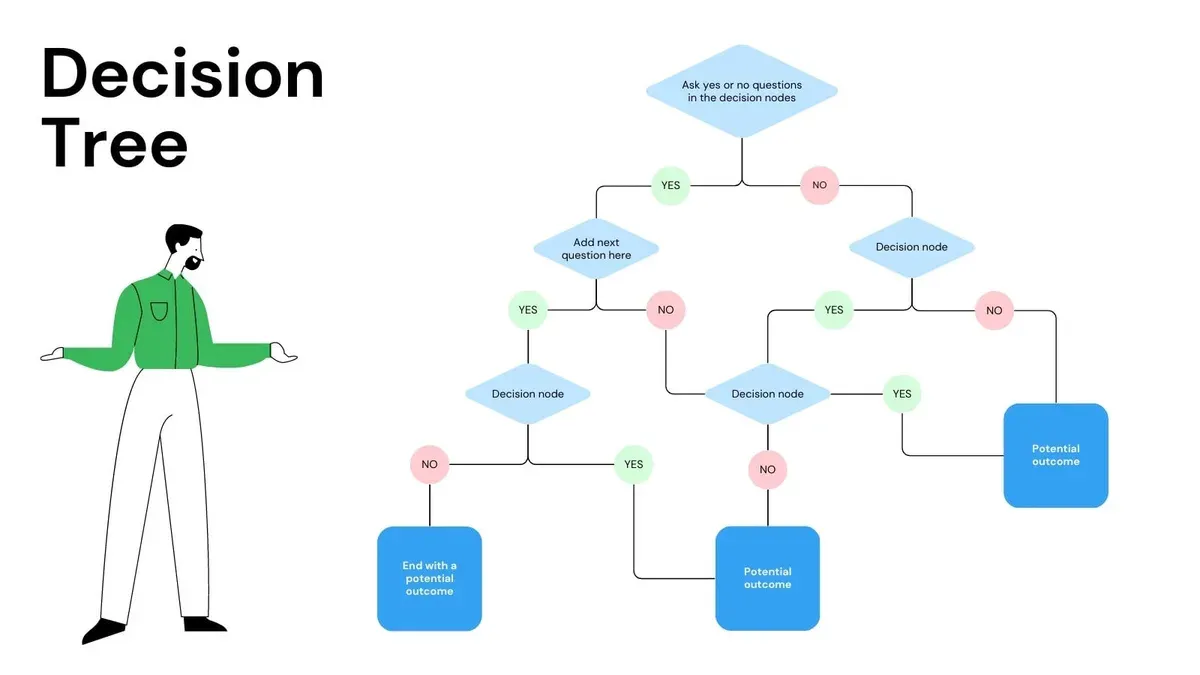
Image source: Web (Bing) / utpaqp.edu.pe (Web image (fair-use with source credit))
If your deficiencies cluster around certificate validity, audit your crew documentation pipeline immediately. Check whether each certificate was issued by a recognized authority. Verify that training records match certificate dates.
Confirm that every listed seafarer actually holds the credential displayed in your file.
If your deficiencies cluster around practical competence, your training and familiarization program has gaps. Inspectors test crew knowledge during PSC boarding. They watch how crews respond to emergency alarm activation, life raft deployment questions, and fire pump operation.
Paper certifications do not protect against practical inspection failures.
If your deficiencies cluster around rest hours, your scheduling or watch rotation system is broken. MLC 2006 rest hour violations carry detention weight in every major port state regime. Logbook entries must match actual duty patterns.
Mismatched records are an instant red flag.
If your deficiencies cluster around vessel equipment, your manning agent is irrelevant. SOLAS and MARPOL defects fall under the captain, chief engineer, and technical superintendent responsibility chain. Crewing and vessel condition belong to separate compliance domains.
This diagnostic approach saves time and money. It stops you from switching agents when the real problem lives in your SMS or your charterer's scheduling demands.
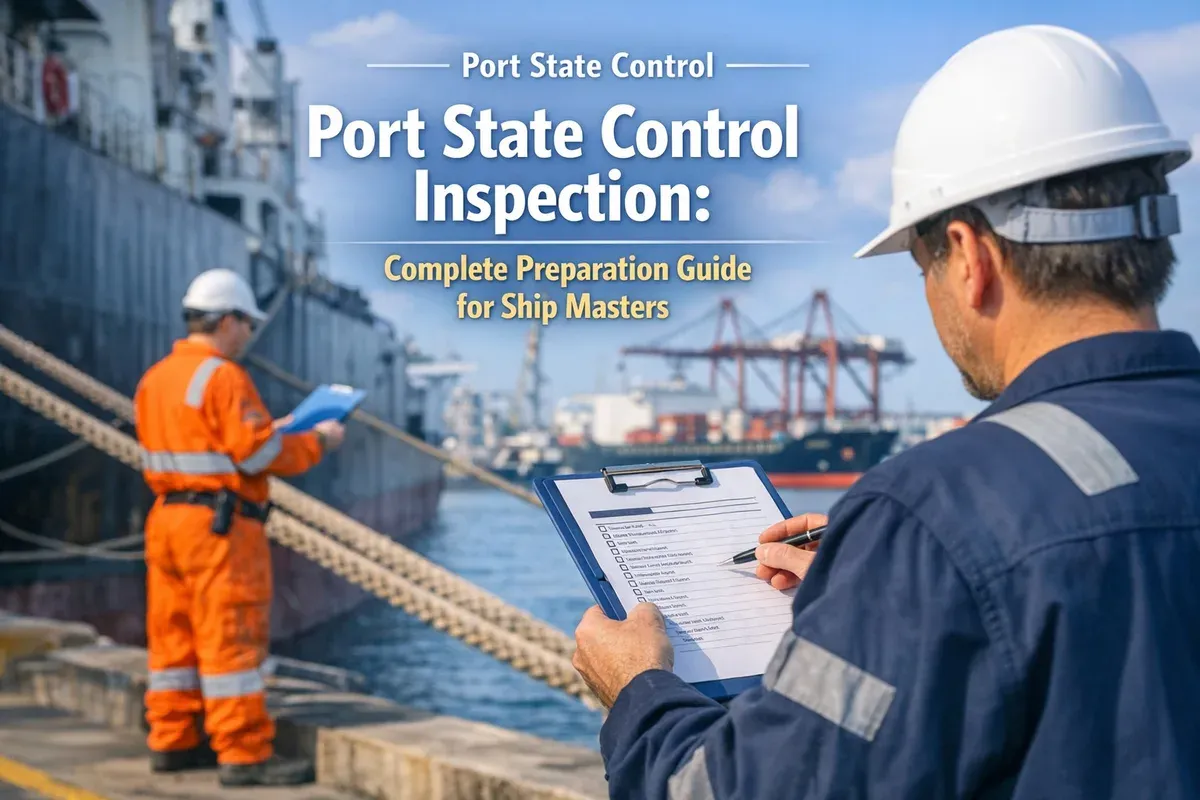
Image source: Web (Bing) / marineinspection.app (Web image (fair-use with source credit))
Where Crew-Related Deficiencies Actually Come From
Certificate fraud and falsification remain widespread in maritime crewing. Per International Transport Workers' Federation investigations, forged STCW certificates surface across multiple flag registries. Inspectors can spot discrepancies quickly, mismatched issuing authority stamps, expired training dates, or credentials from unrecognized maritime academies.
Image source: Web (Bing) / maritimepage.com (Web image (fair-use with source credit))
Crew competency gaps hide behind valid paperwork. A chief engineer may hold every required certificate yet cannot explain bilge alarm activation procedures. An able seaman might pass a written exam but freeze during an actual emergency drill.
PSC inspectors test practical knowledge, not just paper credentials.
Rest hour violations create detention risk through scheduling failures. Charterers demanding rapid turnaround between ports force crews into overtime. Logbooks show compliance while reality tells a different story.
Inspectors cross-reference entry/exit logs, work schedules, and crew statements. Inconsistencies trigger MLC violations.
Manning agreement non-compliance surfaces when employment contracts lack required MLC terms. Missing repatriation clauses, unpaid wages, or absent medical coverage all create deficiency points. Your licensed agent should catch these, but many small operators skip contract reviews entirely.
ISM code breakdowns tie directly to crew documentation. Your safety management system requires documented procedures for competence verification, training records, and familiarization programs. If your SMS procedures don't match actual practice, inspectors flag the gap.
What to Do When Your Vessel Gets Detained
Immediate action matters more than blame assignment. Photograph the detention notice before leaving the port. Record every deficiency code verbatim.
Note the inspector's name and agency. These details matter for your appeal process if you choose to contest findings.
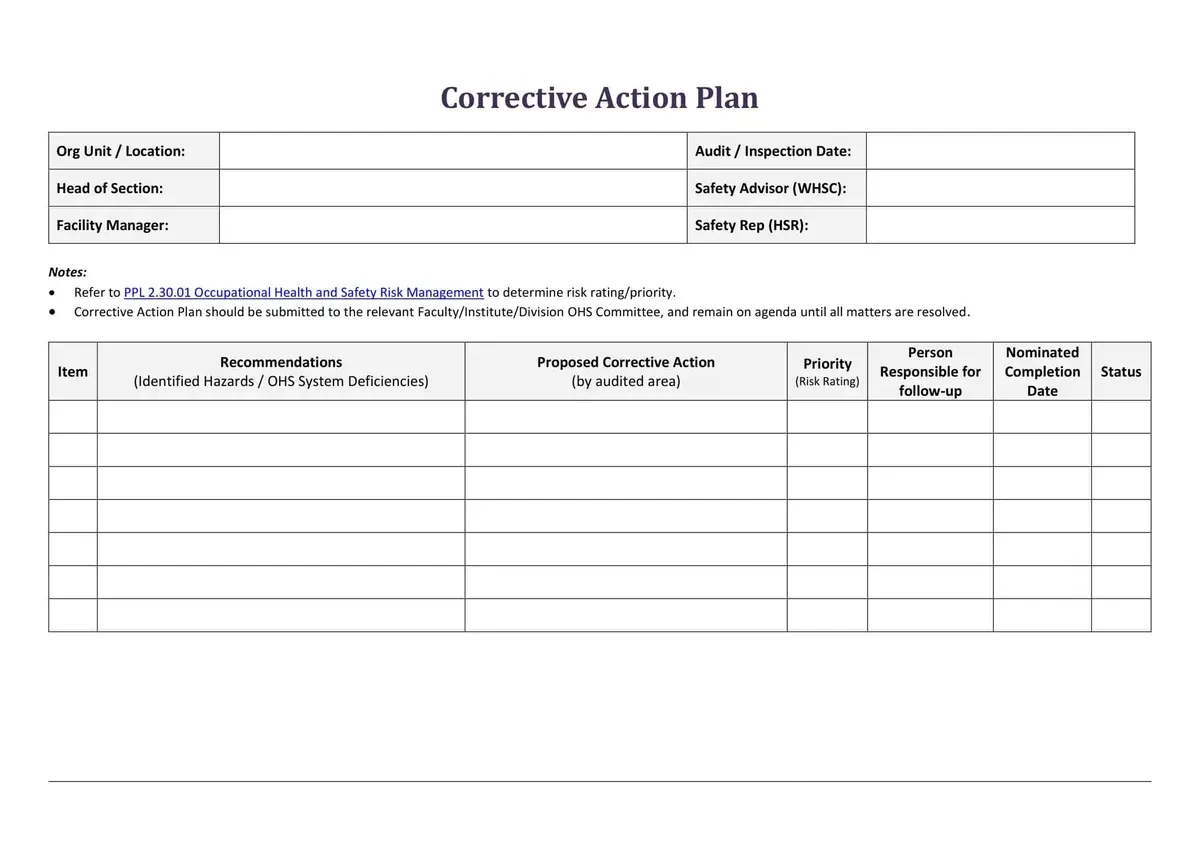
Image source: Web (Bing) / eerstkoffie.org (Web image (fair-use with source credit))
Root cause analysis separates symptoms from problems. Ask why each deficiency occurred, then ask again. One analysis layer rarely uncovers the real issue.
If a certificate is expired, determine whether your verification system failed or the crew member provided false information.
Corrective action plans must address each deficiency specifically. Vague promises like "improved training" get rejected. Strong CAPs include replacement certificate numbers, training completion dates, trainer credentials, and assessment results.
Re-inspection preparation requires evidence of complete resolution. Have supporting documents organized by deficiency code. Brief your master so they can explain corrections if inspectors ask.
Consider scheduling a pre-inspection audit through your classification society before calling for re-examination.
Flag state notification is mandatory for certain deficiencies. Your administration needs to know about detentions, especially those involving credential fraud or serious ISM violations. Prompt reporting strengthens your compliance position.
Critical Mistakes That Make Detention Worse
Blaming your manning agent without evidence wastes resources and relationships. Many certificate issues stem from crew member misrepresentation, not agent negligence. Review your contractual agreements and verification processes before assigning fault.
Submitting weak corrective action plans guarantees repeat inspections. Inspectors see generic responses daily. Specific, documented fixes with verifiable evidence stand out and get accepted faster.
Hiding or altering records crosses from deficiency into criminal territory. MLC regulations treat forged certificates and falsified logbooks as serious offenses. Detecting altered documents escalates inspections and triggers flag state investigations.
Waiting too long to address recurring problems compounds detention risk. Same deficiencies across two inspections signal systemic failure. Third occurrence invites harsher penalties and potential vessel prohibition.
Skipping flag state notification breaks the safety feedback loop. Your administration relies on detention data to assess your management system effectiveness. Ignoring reporting requirements damages your compliance record.
FAQs About Vessel Detention and Manning Agents
Can I sue my manning agent if they caused the detention?
You may have legal grounds if the agent provided knowingly false certificates or failed to verify credentials they were contracted to check. Gather your manning agreement, all correspondence, and the PSC detention report before consulting a maritime lawyer. Many cases settle when agents recognize their verification failures rather than facing litigation.
How long does a detention usually last?
Duration depends entirely on the deficiency type and port infrastructure. Minor certificate replacements can resolve within hours. Structural or systemic ISM failures require weeks of repairs and re-inspections.
Tokyo MoU data shows average crew-related detentions run 1 to 5 days when corrective actions are documented properly.
Does a detained vessel appear on public databases?
Yes. All PSC detentions are published in regional database systems. Tokyo MoU, Paris MoU, and USCG maintain searchable records accessible to charterers, insurers, and competitors.
A single detention affects your vessel's risk profile permanently, even after the deficiency is corrected.
Can a licensed manning agent prevent all detentions?
No agent can guarantee zero deficiencies. Their license covers crew documentation and deployment, not your vessel's mechanical condition or your crew's practical skills. A licensed agent reduces credential-related risk but cannot control ISM compliance, equipment maintenance, or crew proficiency.
What's the difference between a deficiency and a detention?
A deficiency is any noted non-compliance during inspection. A detention means the deficiency is serious enough that the vessel cannot legally sail until corrected. Some deficiencies accept corrective action within 14 days.
Detention requires immediate resolution before departure is permitted.
Should I replace my manning agent after a detention?
Not necessarily. First determine whether the agent contributed to the problem. If their verification failed, replacement helps.
If your SMS or training program caused the deficiency, a new agent won't fix the underlying issue. Review your contract terms and the specific deficiency codes before making changes.
--- A detention is never just about one party. Your manning agent, your safety management system, your crew training, and your charterer scheduling all feed into whether a vessel walks through a port state control gate or gets held at dock. The licensed agent is one link.
The inspection sees the entire chain.
Focus on strengthening the links you control, your verification processes, your crew's practical competence, your rest hour discipline, and your corrective action speed. That's how you keep your vessel moving instead of sitting at anchor waiting for paperwork to catch up.