
 Ship Crew Agency
Maritime Editorial Team
Getting hired on a container ship confuses more people than it should, and most of that confusion comes from one fact: there's no single door in. Container ship crew recruitment runs through two main channels, licensed manning agencies and direct company hiring, and the right one depends entirely on where you're starting from. A fresh graduate, a certified officer, and a working AB all follow different routes.
The rules behind those routes are strict. Under the Maritime Labour Convention 2006, a legitimate recruiter can never charge you a placement fee, which is the single fastest way to spot a scam. Once you know your starting point, the whole process gets much simpler, so let's map it out.

## Quick Answer
Container ship crew recruitment happens through licensed manning agencies or direct company hiring. You need STCW basic safety training, a seaman's book, and a valid medical. Officers also need a Certificate of Competency with the right flag endorsement.
Legitimate recruiters never charge placement fees under MLC 2006. Your route depends on your rank, experience, and nationality.
Seafarer | Shipping Crew | Interview Questions and Answers Model
via HowTo
## How Container Ship Crew Recruitment Actually Works (and Why the Path Isn't the Same for Everyone)
Shipping lines rarely hire deck and engine crew off the street. Most container vessels are crewed by third-party ship managers or agency networks that maintain pools of vetted seafarers, a model explained on our page covering [how manning actually works](https://shipcrewagency.com/services/crew-manning).
Four things decide your route: your current rank, your sea time, your nationality, and your certificates. As of 2026, the global officer shortage keeps demand high, so certified officers move fast while entry-level applicants wait longest.
## Manning Agencies vs. Direct Company Hire: Understanding the Two Recruitment Channels
If you're a rating or junior officer from a major supply country, an agency is almost always your channel. If you're a senior officer, or you're applying where a line like Maersk or Hapag-Lloyd runs in-house crewing, direct hire is realistic.
| Channel | Best for | Watch out for |
|---|---|---|
| Manning agency | Ratings, cadets, junior officers | Unlicensed operators, fake fees |
| Direct company hire | Senior officers, national-flag applicants | Fewer openings, slower intake |
Either way, verify the recruiter's license before sending documents. A structured [placement workflow](https://shipcrewagency.com/process) with clear stages is a good sign you're dealing with a real operation.
## Path 1: Starting From Zero — Getting Recruited as an Entry-Level Rating
If you have no sea time, you enter as an Ordinary Seaman, Wiper, or Messman. The steps are short but strict.
1. Complete STCW basic safety training (roughly one to two weeks).
2. Pass the seafarer medical exam.
3. Obtain your national seaman's book.
4. Register with several licensed agencies, not just one.
Expect months of waiting, not weeks. Entry ratings face the longest queues, so applying widely across [deck department openings](https://shipcrewagency.com/crew/deck-crew) and [engine room roles](https://shipcrewagency.com/crew/engine-crew) doubles your chances.
## Path 2: The Cadet Route — Landing a Sponsored Officer Traineeship With a Container Line
If you want an officer career, a sponsored cadetship is the strongest route. Major container operators and ship managers fund academy training in exchange for a service commitment, typically a three-to-four-year program including sea phases.
Berths are scarce. Apply directly to company cadet programs in your final academy year, and treat your grades and English scores as recruitment currency. The International Maritime Organization ([IMO](https://www.imo.org)) sets the STCW training standards every program follows, so any legitimate cadetship maps to them.
## Path 3: Certified Officers — Switching to Container Ships From Tankers, Bulkers, or Cruise
If you already hold a CoC, you're the easiest hire in the market. Container fleets accept sea time from other segments, and unlike the tanker world there's no extra cargo endorsement barrier, something we cover in our piece on [crewing for the tanker trade](https://shipcrewagency.com/blog/tanker-crew-recruitment).
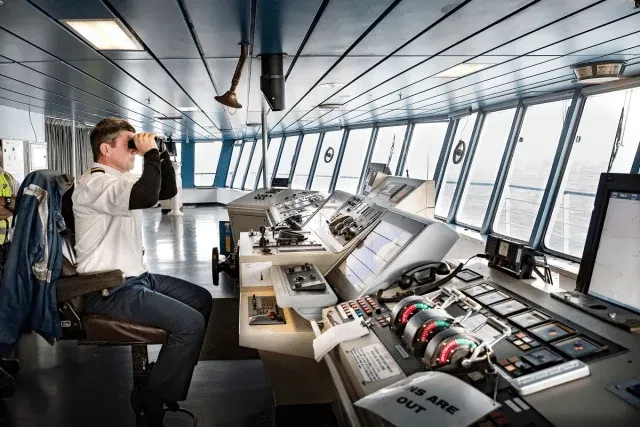
Your only real hurdle is the flag endorsement. If your CoC isn't recognized by the vessel's flag state, the company must arrange an endorsement before you sign on. Highlight reefer, lashing, or high-TEU experience on your CV, because fleet managers screen for it.
## Path 4: Experienced Ratings — Moving Up or Moving Companies
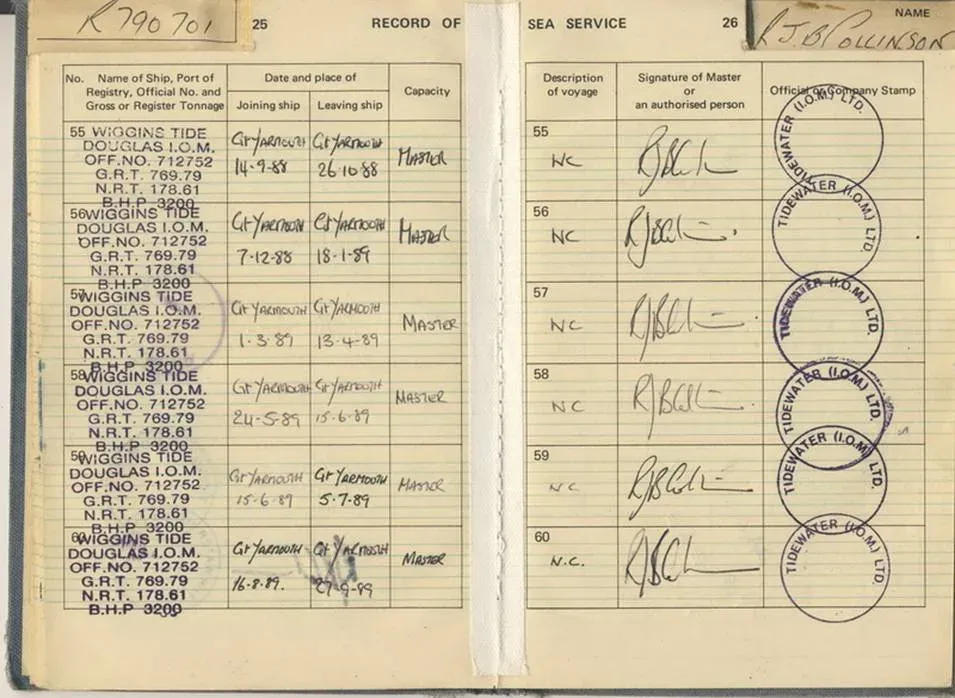
If you're a working AB, Oiler, or Fitter, your sea service record is your leverage. Container fleets rehire proven ratings fast, and a clean record with testimonials often skips the interview queue entirely.
If you want promotion, plan it before your next contract. Moving from OS to AB, or Oiler to Motorman, requires documented sea time plus a Certificate of Proficiency. Negotiate that path with your agency before you sign, not after.
## The Documents That Decide Everything: STCW, CoC, Seaman's Book, and Medicals
No document, no ship. Every recruitment route funnels through the same paper checkpoint, and one expired certificate can freeze an otherwise perfect application.
| Document | Who needs it | Validity |
|---|---|---|
| STCW basic safety certificates | Everyone | 5 years |
| Seaman's book | Everyone | Varies by country |
| Medical certificate | Everyone | Max 2 years |
| Certificate of Competency | Officers | 5-year revalidation |
Check every expiry date before applying. Agencies deprioritize files with certificates due within three months, because the flag paperwork won't clear in time.
### Flag State Endorsements: Why Your Certificate Might Not Work on Every Ship
A CoC only counts if the vessel's flag state recognizes it. Most container tonnage flies Panama, Liberia, or Marshall Islands flags, and each issues its own endorsement against your national license. The employer files this, but you supply the verified documents, so keep scanned copies ready.
## How to Verify a Manning Agency Before You Hand Over a Single Document
Check the license first, always. In the Philippines, search the Department of Migrant Workers database. In India, confirm the RPSL number with the Directorate General of Shipping.
A real agency prints its license number on everything and names its principals when asked, the same transparency standard we hold ourselves to on our [regulatory standards page](https://shipcrewagency.com/compliance).
### The MLC 2006 Rule Every Seafarer Should Know: You Never Pay Placement Fees
You never pay to get a ship. The Maritime Labour Convention, maintained by the International Labour Organization ([ILO](https://www.ilo.org)), puts recruitment costs on the shipowner. If a recruiter asks for a "processing fee" or "guarantee deposit", walk away.
That single question filters out most scams instantly.
How Many Crew Work On A Cargo Ship? | Life At Sea
via Bryan Boyle
## What Container Ship Contracts Actually Look Like: Wages, Rotations, and Crew Sizes by Rank
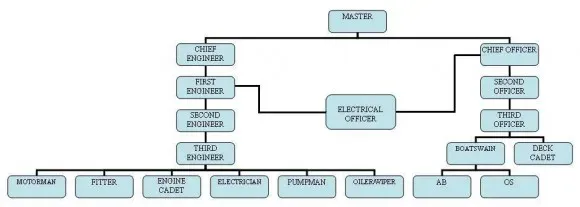
A modern container ship runs with 18 to 25 crew. Officers typically sail 4 to 6 months, ratings 6 to 9, and senior European officers often work fixed rotations.
Indicative monthly wages run roughly $500 to $1,200 for entry ratings, $1,300 to $2,000 for an AB, $2,500 to $5,000 for junior officers, and $8,000 to $15,000+ for Masters and Chief Engineers. Read your Seafarer Employment Agreement before travel and sign before departure, never after boarding.
## Where the Jobs Are: Recruitment Hubs, Supply Countries, and Regional Differences
Most container crew hiring flows through Manila, Mumbai, Chennai, and Eastern European hubs like Riga and Odesa. Singapore, Limassol, and Hamburg handle much of the officer market.
If your country has no strong agency network, cross-border hiring is still possible. Our breakdown of [placing Bangladeshi crews with Greek owners](https://shipcrewagency.com/blog/how-greek-shipowners-can-hire-bangladeshi-seafarers) shows how those pipelines work in practice.
## Recruitment Scams and Red Flags: How Fake Agencies Trap New Seafarers
Any fee request is the first red flag. Others include guaranteed placement promises, unnamed principals, personal email domains, and pressure to send original documents by courier.
Never surrender your original seaman's book or CoC to anyone but a verified license holder. Copies are enough for screening.
## Mistakes That Keep Qualified Seafarers Stuck on the Beach
- Registering with one agency and waiting passively.
- Letting a medical or STCW certificate lapse mid-search.
- Sending a generic CV without TEU sizes, DWT, or vessel types.
- Ignoring smaller feeder operators while chasing only the big lines.
- Skipping follow-ups. Pools forget quiet candidates.
## Your Decision Guide: Which Recruitment Route Fits Your Situation
If you have zero experience, do STCW training and register with multiple licensed agencies. If you're an academy student, chase sponsored cadetships early. If you hold a CoC, apply to agencies and direct fleets at once, and let the [officer placement team](https://shipcrewagency.com/services/seafarer-recruitment) handle the flag paperwork.
If you're a serving rating, document your sea time and negotiate the next rank before signing again.
## Frequently Asked Questions
### How long does container ship recruitment take?
Certified officers often get offers within weeks because demand stays high. Entry-level ratings typically wait three to twelve months. Applying to several licensed agencies at once, with complete documents, is the fastest way to shorten that queue.
### Do I need experience to work on a container ship?
No. Entry roles like Ordinary Seaman, Wiper, and Messman accept first-timers who hold STCW basic safety certificates, a seaman's book, and a valid medical. Expect longer waiting times than experienced crew, since these ranks have the most applicants per berth.
### How much does STCW basic training cost?
Costs vary widely by country, from a few hundred dollars to over a thousand. The core courses take roughly one to two weeks. Only use training centers approved by your national maritime administration, or the certificates won't be accepted.
### Is it legal for an agency to charge recruitment fees?
No. MLC 2006 Regulation 1.4 bans charging seafarers for placement. You cover only your own statutory medical, passport, and seaman's book costs.
Any recruiter asking for processing fees, deposits, or "visa guarantees" is operating illegally, so report and avoid them.